
.2mi6i6q4ggaqk.jpeg&w=3840&q=75)
.0efebpkp7wvqr.jpeg&w=3840&q=75)
.0wbfwt459ax-u.jpeg&w=3840&q=75)
The foundation
Quality learning, designed around the child.
We focus on the conditions that help children enter, stay in, and learn meaningfully through education.
UNICEF INDIA is an independent children’s education initiative focused on equitable access to learning, meaningful participation, and responsible digital education.
This project is not affiliated with the United Nations or official UNICEF unless formally stated.
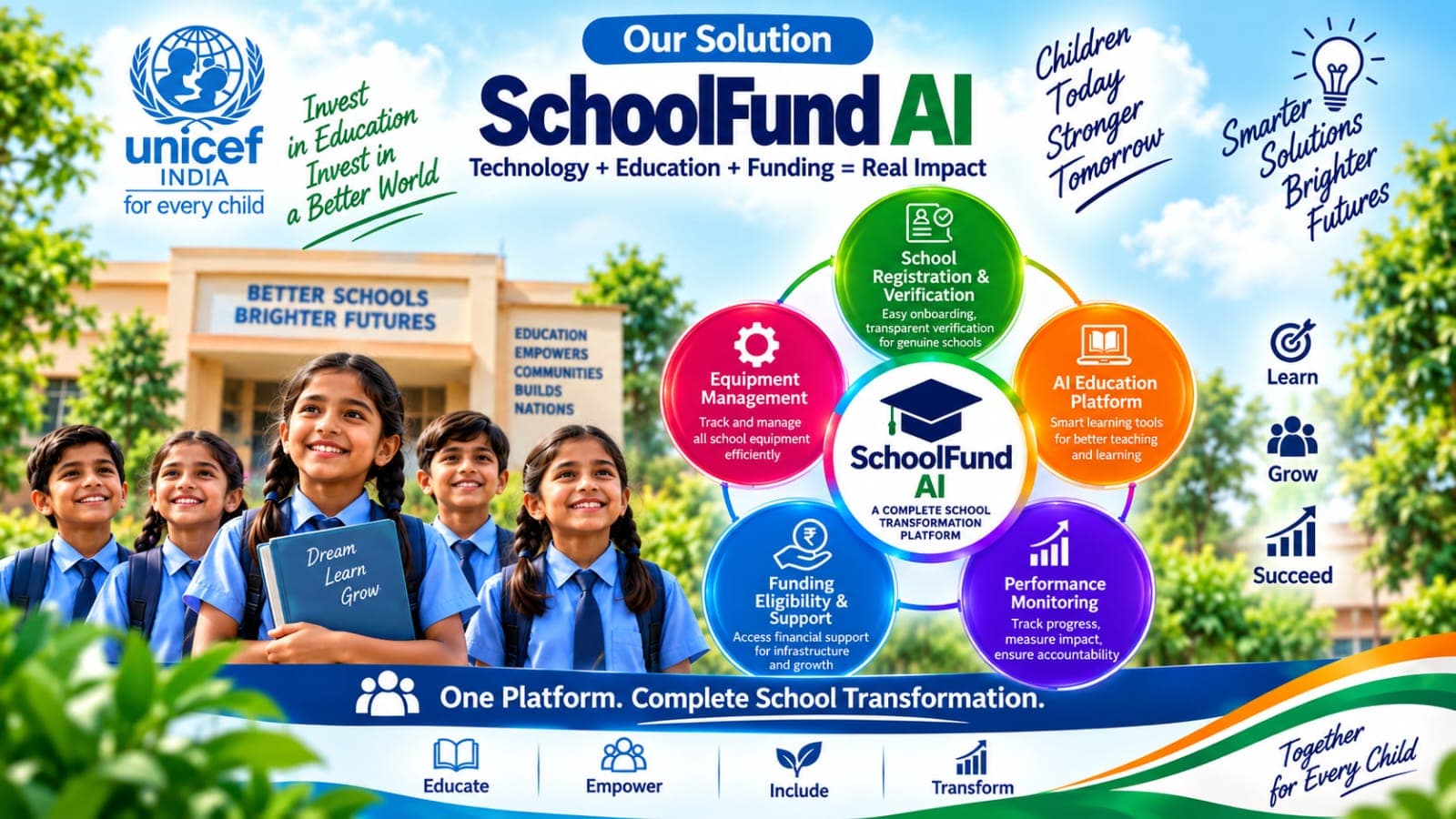
Every child deserves the opportunity to learn.
We start with the children most likely to be missed by default systems: children living in poverty, children with disabilities, girls facing barriers, learners in remote communities, and children affected by displacement or emergencies.
Education is the centre of our work. Health, protection, safe water, and climate resilience matter because they shape whether a child can arrive, participate, and keep learning.
The education challenge
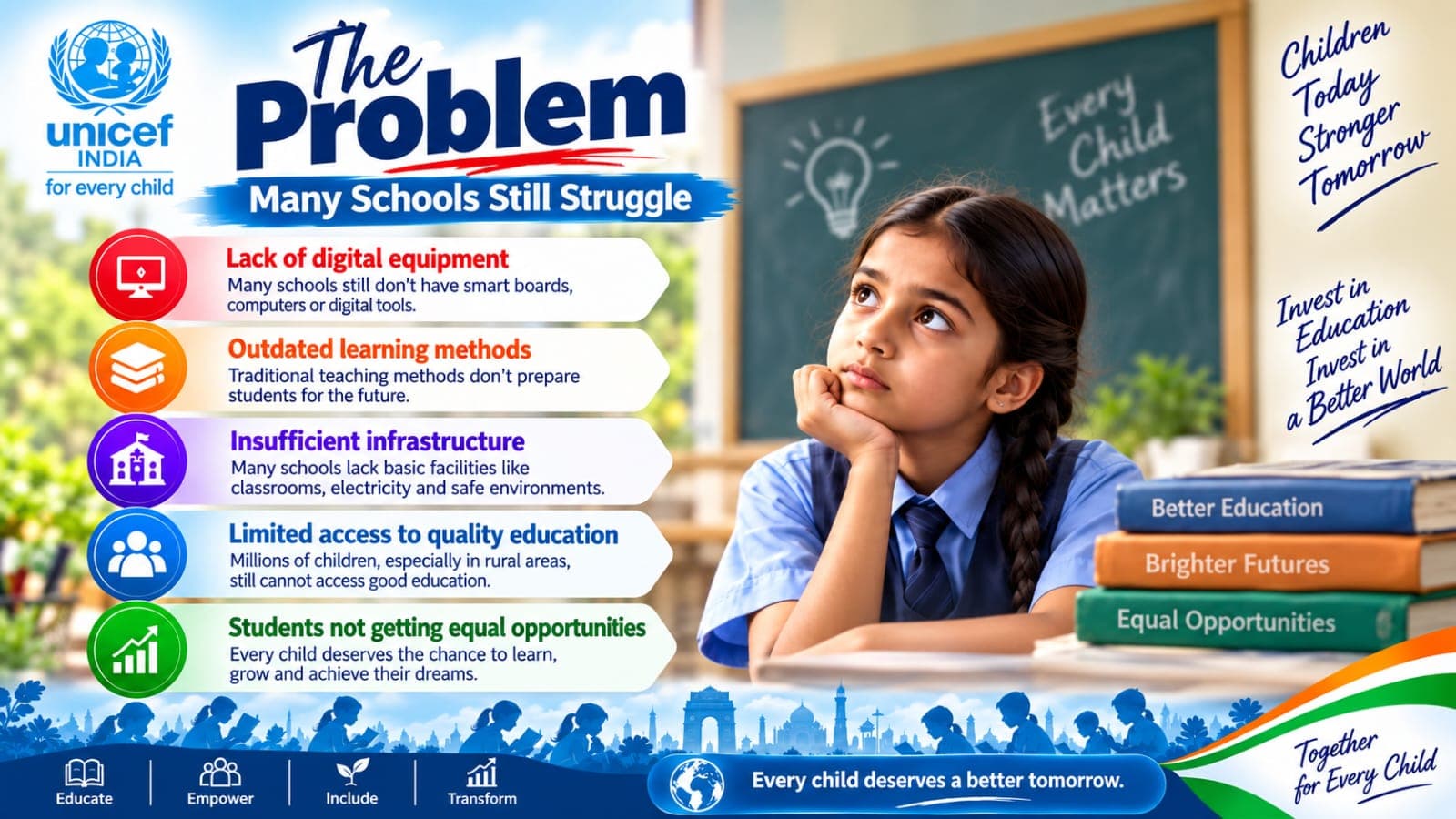
Poverty, disability, gender, language, geography, and emergencies can each make education harder to reach. A child may be enrolled and still not have the safety, support, resources, or connection they need to learn.
What we do
Our work connects learning with the systems that help children feel safe, healthy, included, and able to continue when circumstances change.
We focus on the conditions that help children enter, stay in, and learn meaningfully through education.
We explore accessible, mobile-first, low-bandwidth ways for children and teachers to keep learning when the usual route is out of reach.
We keep safeguarding, dignity, and the prevention of violence and abuse connected to education work.
We connect learning with practical health and nutrition awareness so children can participate with greater security.
Clean water, sanitation, and hygiene awareness help make schools safer and more welcoming for every learner.
We keep continuity, preparedness, and climate-resilient learning environments in view for children affected by emergencies.
Digital education
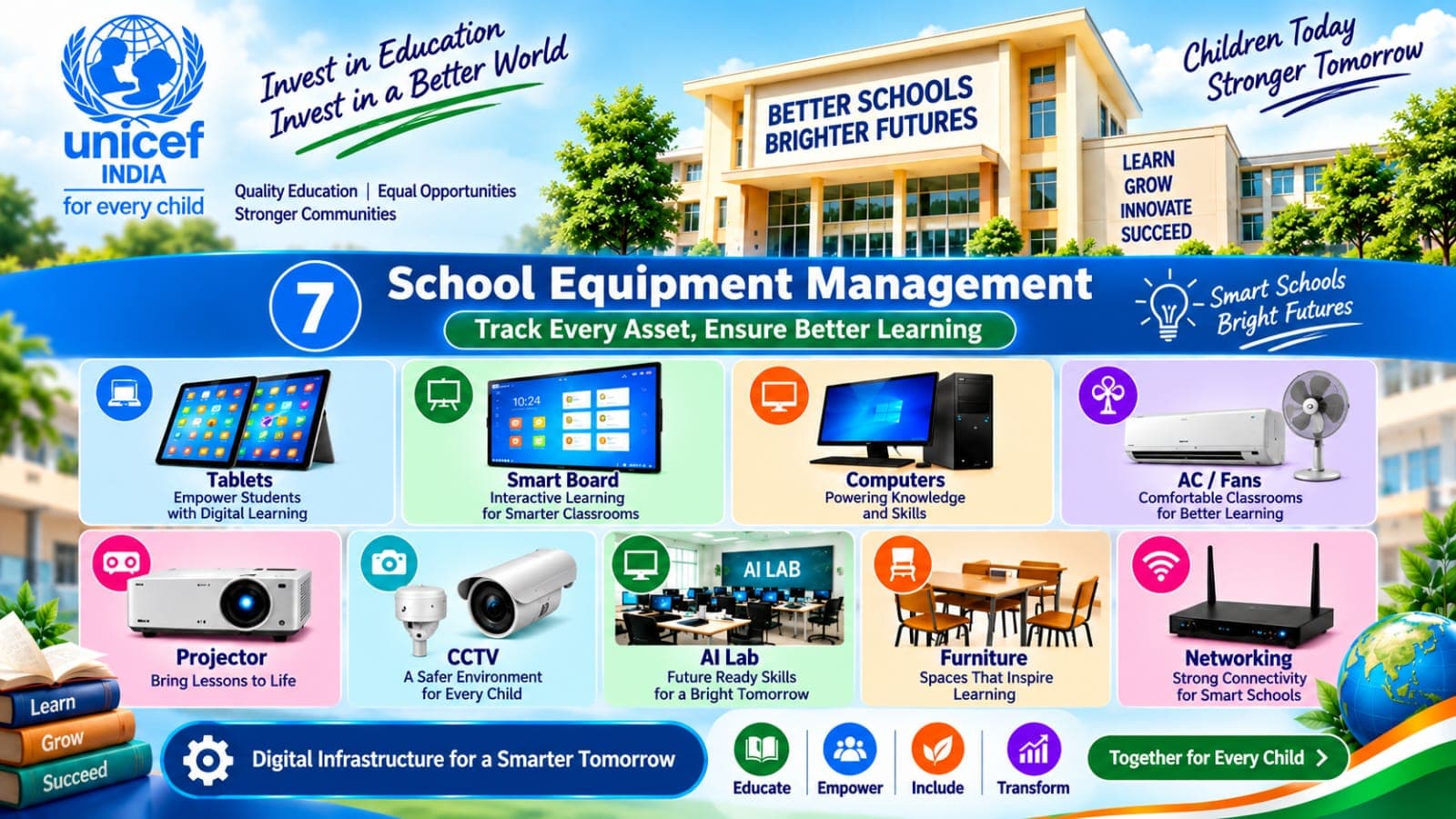
Digital tools can create another route to education across distance, emergencies, disability, language, and economic barriers. The measure is simple: does this help a child learn?
Who we prioritise
Inclusion is not a final layer of polish. It is a way of deciding what to build, who to listen to, and which barriers to remove first.
How we work
The approach is intentionally practical: build around context, strengthen human support, and use technology where it makes access more possible.
Reduce the practical barriers between a child and a meaningful learning opportunity.
Plan with the children and communities most likely to be missed by default systems.
Keep participation connected to understanding, confidence, and useful learning outcomes.
Use digital tools where they make learning more reachable, accessible, or resilient.
Support educators as skilled partners, not as an afterthought to a platform.
Build trust through listening, context, dignity, and clear accountability.
Stories & insights
Editorial briefs about education, inclusion, and technology—without invented testimonials or impact claims.
Attendance matters. So do the conditions that allow a child to understand, participate, and keep going.
Read the briefDigital education is useful when it removes friction for children and teachers—not when it adds another layer of exclusion.
Read the briefInclusion becomes practical when programmes plan for real barriers before a child has to ask for an exception.
Read the briefWe welcome thoughtful conversations about education, inclusion, digital learning, and ways to make this work more accountable.